


Many people assume that a higher clarity grade automatically means a more beautiful diamond. It is an easy assumption to make, since clarity is one of the first things buyers are taught to look for. Clarity is genuinely important, but it is only one part of a much bigger picture.
Sparkle comes from the way a diamond interacts with light, and that is strongly influenced by cut quality rather than clarity alone. A diamond can carry a high clarity grade and still look flat if its proportions do not work well with light.
This guide explains what clarity does, what cut does, and how to choose a diamond that looks bright, clean and beautiful in real life rather than one that simply reads well on a certificate.
What Clarity Actually Means?
Diamond clarity describes the diamond inclusions and surface blemishes found within a stone. Almost every diamond has some tiny natural characteristics, since they form under intense heat and pressure deep within the earth.
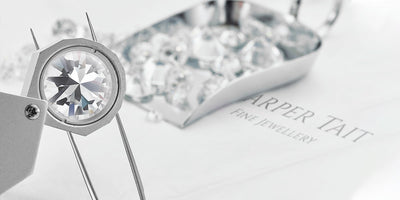
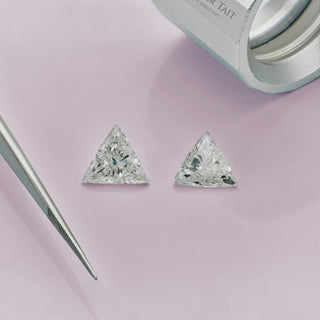
Clarity is graded under ten times magnification by a trained grader, using a scale that runs from flawless through to included. Many of the features that affect a diamond's clarity grade are not visible without this magnification, so a lower grade does not automatically mean a diamond looks less clean to the eye.
The clarity grade on a report is useful information, but it does not tell you the whole story of how a diamond will actually look once it is set in a ring. There is no need to feel anxious about clarity. It simply describes what is present inside and on the surface of the stone, not how the diamond performs with light.
What Sparkle Actually Comes From?
What makes a diamond sparkle is how light enters a stone, reflects internally and returns to the eye. Cut quality has a strong influence on brightness, fire and movement, which together shape how lively a diamond feels when it moves.
A well cut diamond can look bright and animated even in ordinary indoor lighting. A poorly cut diamond can look comparatively flat, even when its clarity grade is high, because the proportions do not direct light back to the eye as effectively.
There are three simple terms worth knowing when talking about diamond brilliance:
-
Brilliance is the white light that returns from the diamond
-
Fire is the flashes of spectral colour you see as the stone moves
-
Scintillation is the pattern of sparkle and contrast created by movement
None of these three qualities need to be memorised in detail. They simply explain why two diamonds with similar specifications can look noticeably different in person.

Why Cut Quality Often Matters More Than Clarity?
If a diamond is not cut well, it will not perform beautifully with light, regardless of how clean it is internally. A very clear diamond can still look dull if its proportions and angles are not well balanced.
When people weigh up clarity vs cut, cut quality usually has the bigger visual impact, since it determines how well a diamond handles light. Strong light performance can make a diamond feel brighter, larger and more alive, while small clarity differences are often invisible from everyday viewing distances.
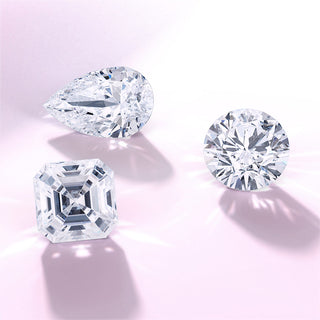
A diamond does not need to be flawless to look beautiful, but it does need to handle light well. This is why many buyers researching the best diamond cut for sparkle find that a strong cut grade matters more than shape alone, since even a round brilliant can look flat if it is not well proportioned.
When Clarity Still Matters?
None of this means clarity can be ignored altogether. There are situations where it genuinely affects how a diamond looks and wears, so it is worth paying closer attention in these cases:
-
Inclusions that are visible to the naked eye without magnification
-
Dark inclusions positioned in the centre of the stone
-
Inclusions that affect how transparent the diamond appears
-
Feathers or other characteristics that benefit from expert assessment for durability
-
Larger diamonds, where inclusions can be easier to notice simply because there is more surface area
-
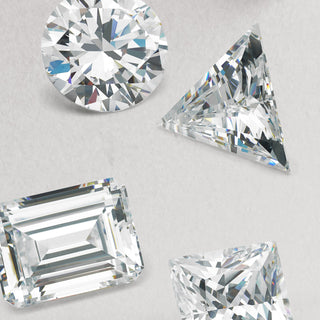
Step cut shapes such as emerald or asscher cuts, where the open facets make inclusions easier to see
Clarity and cut work together rather than competing with each other, and a jeweller can help you understand how much any individual inclusion is likely to matter in your particular stone.
What Does Eye Clean Mean?
An eye clean diamond is one that looks clean to the naked eye under normal viewing conditions, even though it may still contain inclusions visible under magnification.
For most engagement ring buyers, eye clean clarity is a sensible practical goal. It allows you to avoid paying for a level of clarity that would not be visible once the ring is on the hand.
Whether a diamond reads as eye clean depends on the type of inclusion, its position, its contrast against the stone, and even the person viewing it. If you are shopping online, it is worth asking how the diamond has actually been assessed for eye cleanliness rather than relying on the clarity grade alone.
Our Pieces


The Problem With Choosing by Clarity Grade Alone
A certificate cannot show everything a jeweller can see in person. Two diamonds with the same clarity grade can look genuinely different from one another, because the grade does not describe the exact type, location or visual impact of every inclusion.
The position of an inclusion matters. A mark hidden under a prong will affect a diamond very differently to one sitting directly beneath the table. The type of inclusion matters too, since some are far less noticeable than others even at the same grade.
Magnified diamond images used in online listings can also make small features look far more dramatic than they appear in person. A high clarity grade does not guarantee sparkle, and a lower grade does not automatically mean a diamond will look busy or included. The report is a useful starting point, but it should not be the whole decision.
How to Compare Cut and Clarity Together?
Balancing diamond cut vs clarity comes down to knowing which qualities you can actually see once a ring is being worn. A simple approach can help you compare diamonds without getting lost in numbers on a certificate.
-
Start by looking at cut quality and how the diamond performs with light
-
Check that the diamond looks bright and lively in a video or in person
-
Confirm that the clarity is eye clean, or at least acceptable to you personally
-
Ask where any inclusions sit and whether they are likely to be noticeable
-
Compare diamonds side by side wherever possible
When comparing diamonds this way, try to keep comparisons like for like, particularly around shape, carat weight and cut grade, so you are genuinely comparing similar stones rather than different combinations of factors.
What to Look for in Videos and in Person?
Online diamond videos and in person viewings both give you information a certificate cannot. A few practical things are worth checking each time.
-
Look for even brightness spread across the whole diamond
-
Watch how the stone performs as it moves, rather than only in a single still image
-
Notice whether any dull or dark areas remain visible as the diamond turns
-
Check whether inclusions are visible without needing to zoom in
-
Ask to compare two similar stones side by side if you are unsure which looks better

How This Changes Your Budget Decisions?
A higher clarity grade is not always where the biggest visible difference in your budget will show up. Many buyers find they get more noticeable beauty by prioritising cut quality rather than chasing a higher clarity grade than they need.
Once a diamond is already eye clean, moving further up the clarity scale may not change how the ring actually looks. The strongest value tends to come from balancing cut, clarity, colour and carat together, rather than maximising one factor on its own.
This is not about cutting corners. It is about directing your budget towards the qualities that will genuinely change how the finished ring looks and feels, rather than paying for a grade that will not be visible day to day.
How We Help You Compare Diamonds Properly?
We help clients understand what each grade actually means in real life, not just on paper. Diamonds can be compared side by side rather than judged by certificate numbers alone, so you can see the practical difference diamond cut quality makes.
Our team can explain which inclusions are likely to matter and which are unlikely to affect how a diamond looks day to day, with diamond clarity explained in more depth in our diamond clarity guide if you would like to read further before your appointment. Cut, sparkle, clarity and overall appearance are assessed together rather than in isolation, from browsing our engagement ring collections through to considering a bespoke design.
The aim is not to help you choose the highest grade on paper. It is to help you choose the diamond that looks and feels right to you.
Frequently Asked Questions
Does clarity affect sparkle?
Clarity has some influence, but cut quality plays a much larger role in sparkle. Inclusions can occasionally interfere with how light travels through a stone, but most eye clean diamonds sparkle well regardless of their exact clarity grade.
Is cut more important than clarity?
Cut quality is often the bigger factor in how bright and lively a diamond looks, since it directly affects how the stone handles light. Clarity still matters, particularly when inclusions are visible or affect transparency.
What clarity grade is best for an engagement ring?
Many buyers find an eye clean grade works well, since it avoids visible inclusions without paying for a level of clarity that cannot be seen once the ring is worn. The right grade can vary depending on the diamond and the individual.
Can a diamond be eye clean and still have inclusions?
Yes. Eye clean simply means any inclusions present are not visible to the naked eye under normal viewing conditions. They can still be visible under magnification.
Should I choose a higher clarity or a better cut?
For most buyers, prioritising cut quality tends to make a more noticeable difference to how the diamond looks, while choosing clarity that is eye clean is usually sufficient.
How can I tell if a diamond will sparkle?
Watching a diamond on video or in person, rather than relying on specifications alone, is the most reliable way to judge sparkle. Look for even brightness and lively movement as the stone turns.
If you are choosing between diamonds and want confidence in your engagement ring diamond quality, book a consultation. Our team can help you compare clarity, cut and sparkle side by side, so you can choose a diamond that looks beautiful in real life, not just on paper.