


Why comparing diamonds can feel so unclear
Comparing diamonds sounds simple until you actually start doing it. Two stones can appear similar on paper, yet look very different in person. One may have a higher carat weight but less life. Another may carry a strong grading report but feel dull beside a better cut stone.
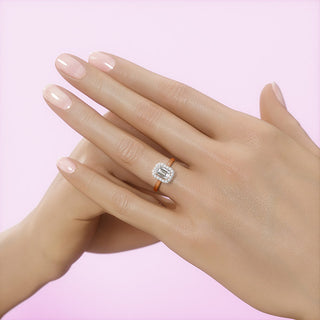
For many buyers, this is the point where the process becomes overwhelming. You are not just choosing a diamond. You are choosing the centrepiece of an engagement ring, a symbol of love and commitment that should feel right every time it is seen on the hand.
At Harper Tait, we believe comparing diamonds should feel clearer than this. Whether you are viewing stones in store or comparing diamonds online, the goal is not to overload you with technical language. It is to help you understand what matters visually, structurally and emotionally, so you can make a confident decision.
Our Pieces


When we compare diamonds, we do not begin with carat weight alone. We begin with overall appearance and how the diamond performs in real life.
The first thing we assess is the cut. Cut performance has the greatest impact on sparkle, brightness and the way a diamond returns light. Two diamonds with similar colour, clarity and carat can look completely different if one is cut better than the other.
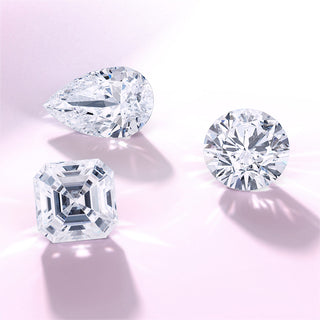
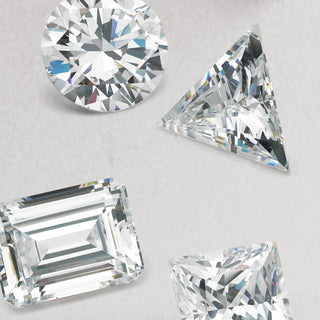
From there, we look more closely at how the diamond is proportioned. Each shape behaves differently, so it is not just about the basic 4Cs. Factors such as length to width ratio, table percentage and depth percentage all influence how a diamond appears once it is set and worn. These details help determine balance, light return and overall presence, especially across different shapes.
If you would like to explore this in more detail, you can read more about what to look for across different shapes on our diamond education page.
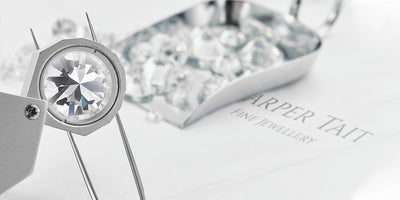
We also consider proportions, light return, fluorescence and the nature of any inclusions, always in context rather than in isolation. A grading report provides valuable information, though it does not replace seeing how a diamond actually looks.
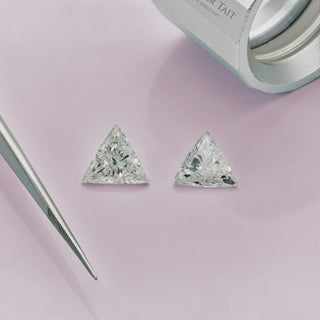
This is one of the biggest differences in how we guide you. We help you compare diamonds as real stones, not just as lists of grades.
Why cut often matters more than small grade differences
Small jumps in colour or clarity can sound significant when you read them on a certificate. In practice, the difference is often less noticeable than buyers expect, especially once the diamond is set.
Cut is different. A well-cut diamond can look brighter, sharper and more lively than a larger stone with weaker proportions. It can also make the most of its carat weight, giving a stronger overall impression.
This is why we often guide clients away from chasing small paper upgrades that do not meaningfully improve what they see. It is usually more valuable to compare like-for-like and ask which stone performs better in front of your eyes.
The difference between a grading report and what you actually see
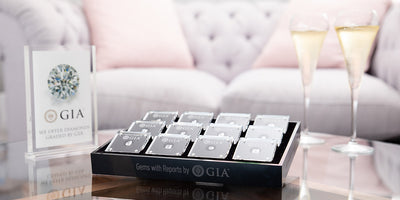
A grading report is essential, but it is only one part of the picture. If you have ever searched for a GIA report guide, you have probably already realised that certificates can feel precise without telling the full story.
A report confirms measurable characteristics such as carat, colour and clarity. What it cannot fully convey is personality. It does not show how lively a diamond feels, how inclusions present themselves to the eye, or how appealing the overall balance looks in normal lighting.
At Harper Tait, we use grading reports as a foundation, then build on them with visual comparison and practical explanation. That helps clients understand not just what the certificate says, but what it means in real terms.

How to compare diamonds like for like
If you want to compare diamonds properly, the most important principle is consistency. Make sure you are judging stones on a like-for-like basis.
That means comparing similar shapes, similar carat weights and similar grading standards. It also means paying close attention to cut quality, because comparing a well-cut diamond with a weaker one rarely gives a fair picture.
Try to view diamonds in similar lighting conditions where possible. Ask to see them face up, side by side and in motion. Notice which one catches your eye first, which one feels brighter and which one looks balanced overall.
This approach is much more useful than focusing on a single headline feature.
A practical diamond buying checklist
When clients want a repeatable way to compare two stones, we suggest focusing on the same points each time.
Start With The Cut
Ask which diamond has the stronger cut performance and better proportions.
Check Real Life Brightness
Look at how each diamond handles light, not just under ideal spot lighting but in more natural conditions too.
Review The Report Carefully
Check the grading laboratory, the measurements, fluorescence and the plotted inclusions.
Assess Inclusions Visually
Some inclusions matter more in theory than in practice. Others may be more visible depending on placement.
Compare Shape And Spread
Two diamonds with similar carat weights may face up differently depending on proportions.
Think Beyond The Spec Sheet
Ask which diamond looks more balanced, lively and beautiful to you.
A diamond buying checklist is most useful when it helps you slow down and compare with clarity rather than rushing towards the biggest number.
What to watch for when you compare diamonds online
Comparing diamonds online can be helpful, but it comes with limits. Photography, video quality and lighting all influence perception.
A diamond may look brighter in highly controlled lighting than it does in normal wear. Video can help, but not every video is consistent. Some images soften inclusions or make colour differences harder to judge. This is why it is important to request as much documentation as possible.
If you want to compare diamonds online with confidence, ask for the grading report, high-quality images, video from more than one angle and confirmation of key details such as fluorescence and proportions. If anything is unclear, ask direct questions rather than assuming the certificate tells the whole story.

How Harper Tait supports in-store and online decisions
At Harper Tait, we help clients compare diamonds with transparency and context. In store, we guide you through a side by side comparison so you can see what changes are actually visible. We explain the diamond first, then the ring around it, so you can make a balanced decision with confidence.
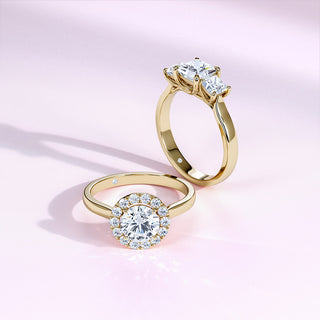
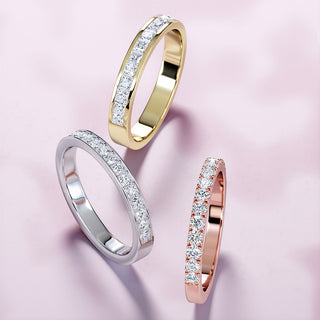
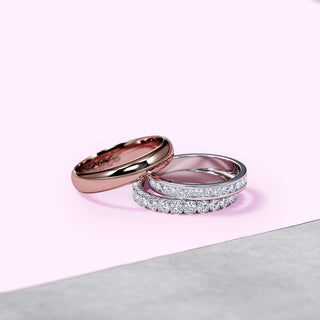
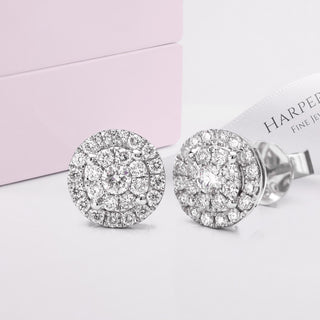
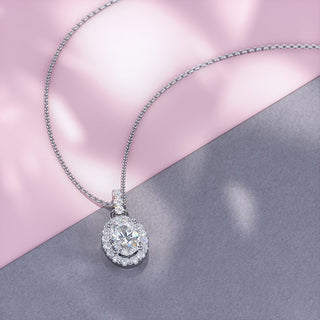
Our Ready To Ship collection is there for clients who want the confidence of choosing a finished piece online, with clear imagery and thoughtful detail to support that decision. It gives you a closer look at each piece, helping you understand its design, diamond details, and overall feel before you buy. For those who prefer to visit us in person, it can also be a helpful way to explore styles in advance.
Most importantly, we keep the decision grounded in what you are actually trying to choose. This is not about finding the most impressive-sounding specification. It is about selecting a diamond that feels right for the ring, the wearer and the moment it represents.
Choosing with confidence
A well-chosen diamond should feel exciting, not uncertain. When you have a clear method for comparison, the process becomes less about guesswork and more about understanding what genuinely matters.
At Harper Tait, we are here to make that process feel calmer, clearer and more personal, whether you are viewing stones in store or comparing options online.
Get in touch if you would like guidance on comparing diamonds.