


What Diamond Clarity Really Means
Choosing a diamond is both emotional and practical. You are not simply looking at a grading report. You are choosing the stone that will sit at the centre of an engagement ring, carry meaning every day and feel just as special years from now as it does at the beginning.
That is why clarity can feel more daunting than it needs to. The language sounds technical, and the idea of imperfections inside a diamond can make people worry they are missing something important.
In reality, clarity is only one part of the story. What matters most is not what a microscope reveals, but how the diamond looks in real life and how it makes you feel when you see it.
We always come back to that. A lower clarity grade does not always mean a diamond will look flawed, and understanding that often brings real confidence to the process.
Our Products


How Clarity Is Graded
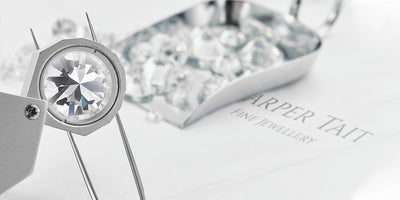
Clarity is graded under magnification, usually at ten times zoom. This is where terms such as VS and SI come from. These grades describe the size, number and position of inclusions within the diamond.
That information is useful, but it does not always tell you how a diamond will look once it is set and worn. A stone can show inclusions under magnification and still appear beautifully clean to the eye.
This is where clarity becomes easier to understand. It is less about chasing the highest grade and more about knowing which details will actually affect what you see.
What Does Eye Clean Mean
The phrase eye clean is one of the most helpful ways to think about clarity in real terms. It simply means the inclusions are not visible to the naked eye when the diamond is viewed normally.
For many people, this is the sweet spot. A diamond that looks clear without magnification will still feel bright, elegant and beautiful day to day, without unnecessary cost linked to higher grades that do not visibly change the experience of the stone.

What You Can Usually Ignore
Not every inclusion needs to be a concern. Many are so small, so faint or so well placed that they make no visible difference once the diamond is seen in normal conditions.
Tiny inclusions near the edge of the diamond, such as close to the girdle, are often hidden once the stone is set. Small inclusions under the table that cannot be seen without magnification are also often safe to accept.
Clouds can sound worrying when you first read the word on a report, but in many diamonds they are too faint to affect transparency or sparkle. When that is the case, they tend to matter far less than buyers expect.
This is why context matters so much. A label on its own rarely tells the whole story.
What You Should Not Ignore
Some inclusions do deserve closer attention, particularly when they affect strength, transparency or the way the diamond handles light.
Surface-reaching inclusions can be more significant because they may affect durability, especially if they sit in areas of stress. Feathers that extend to the surface can also be more concerning depending on their size and placement.
Inclusions near pointed areas, such as on pear, marquise or other elongated shapes, are worth checking carefully because those points are naturally more vulnerable.
Anything that creates a visible dark mark, reduces sparkle or affects the clarity of the stone to the eye should be considered properly.
Why Cut Often Matters More Than Clarity
When people first compare diamonds, clarity can feel like the detail that matters most. In practice, cut often has a greater impact on how a diamond looks.
A beautifully cut diamond will reflect light more effectively, giving it brightness, life and presence. That can have a much stronger visual effect than a small step up in clarity.
We often help clients balance these qualities so the diamond feels beautiful as a whole, rather than simply impressive on paper.
Clarity Tips by Diamond Shape
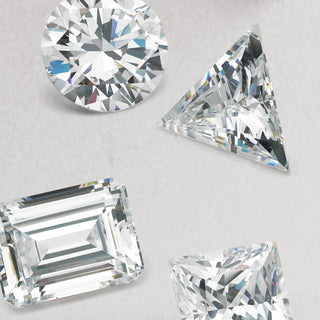
Different shapes reveal inclusions in different ways, which is why the same clarity grade can feel very different from one diamond to another.
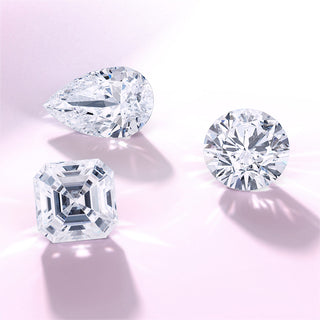
Round diamonds tend to hide inclusions well because of the way they return light. Step cut shapes, such as emerald and asscher, have broader open facets, which can make inclusions easier to notice.
Pointed shapes, including pear and marquise, need more careful attention near the tips, where clarity can become more important for durability as well as appearance.
Understanding the relationship between shape and clarity helps the decision feel less abstract and far more grounded.

A Simple Eye Clean Checklist
If you are comparing diamonds, this quick checklist can help keep your focus on what really matters.
• Look at the diamond in normal lighting, not only under magnification
• Check whether any inclusions are visible without zoom
• Pay attention to placement, especially near the centre or outer edges
• Ask whether the diamond still looks bright and clear overall
• Consider how the diamond will look once set in a ring
How We Help You Assess Clarity
In-store, we show diamonds side by side in real lighting so you can see what differences are actually visible. We explain where inclusions are, how they affect appearance and whether they matter in practical terms.
Online, our ready to ship pieces include clear imagery and detailed information so you can choose with confidence if you are purchasing online.
What matters to us is helping you feel informed without feeling overwhelmed. Clarity should support the beauty of the diamond, not distract from it.
Choosing Clarity with Confidence
Diamond clarity does not need to take away from the excitement of choosing a ring. When you understand what matters, what can be ignored and how a diamond really looks in everyday life, the process becomes far more reassuring.
The goal is not perfection under magnification. It is choosing a diamond that feels beautiful, balanced and right for the moment it represents.
If you would like guidance as you compare diamonds, get in touch and we will be happy to help.