


What Normal Platinum Wear Really Looks Like
When you choose a ring to wear every day, it is natural to think beyond how it looks in the moment. You begin to imagine how it will feel years from now, how it will become part of your life, and how it will carry the meaning of the moment it was given.
That is often why platinum feels so appealing. It has a natural weight and presence, and it is chosen for pieces that are meant to last.
Platinum does naturally show signs of wear over time, but what matters most is understanding what those marks really are and how the metal behaves day to day.
Unlike some metals, platinum does not usually lose material when it marks. Instead, the surface shifts slightly, creating a soft patina rather than a finish that stays permanently mirror-polished. For many people, that gentle change becomes part of the ring’s character, a sign that it is being worn, loved and lived in.
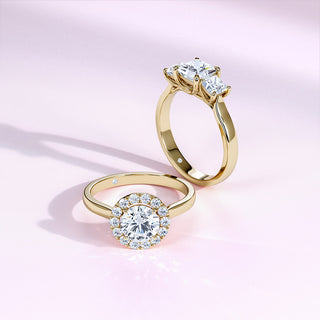
Platinum Rings


Scratching, Scuffing and Metal Displacement
When people ask whether platinum scratches, they are often picturing obvious damage. In reality, everyday wear is usually much softer than that.
A light scuff is typically a surface mark that affects the finish more than the structure. A scratch may be a little more visible, particularly on a highly polished band. With platinum, these marks often involve the metal shifting on the surface rather than being worn away quickly.
That is one of the reasons platinum remains such a trusted choice for long-term wear. It shows the reality of daily life, while holding its substance beautifully over time.
Why Platinum Develops a Patina
Freshly polished platinum has a bright, reflective surface. As it is worn, that finish gradually softens. Tiny marks build up, and the metal develops the muted sheen jewellers refer to as patina.
This is not a flaw, and it is not a sign that anything has gone wrong. It is simply how platinum responds to being worn often and worn well.
For some people, that softer finish is part of platinum’s appeal. It feels settled, understated and quietly elegant. Others prefer a brighter look and choose to have their ring professionally polished from time to time.

Where Marks Usually Show First
On most rings, the first visible marks appear on the lower part of the band because this area meets hard surfaces throughout the day.
Highly polished finishes tend to show wear more quickly than brushed or matte finishes. Band profile also plays a part. Broader, flatter surfaces often make marks easier to notice, while rounded profiles can soften their appearance.
These details are worth thinking about when choosing a ring, especially if you want to balance visual impact with how the piece will look in everyday wear.
Platinum Compared with White Gold and Yellow Gold
If you are choosing between platinum and gold, the difference is not simply whether one marks and the other does not. All precious metals change over time.
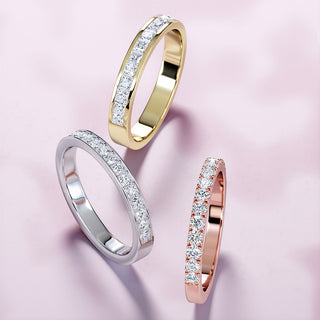
Platinum develops patina and shows surface marks, but it stays naturally white. White gold can also show wear, though its appearance is shaped by rhodium plating. Over time, that plating may wear back, which can allow a warmer tone to come through until the ring is replated.
Yellow gold will also mark with wear, but those changes tend to blend differently into the natural colour of the metal. Each option has its own long-term character.
In simple terms, platinum offers a naturally white appearance with no need for plating, while white gold often needs more appearance-based upkeep to maintain its bright finish.
How to Minimise Marks Day to Day
No ring worn every day will remain untouched, and part of its beauty comes from becoming part of your life. Still, a few simple habits can help reduce visible wear.
Remove your ring for activities that involve hard contact, such as lifting weights, heavy gardening or using tools. Store it separately from other jewellery when it is not being worn, and try to keep it away from abrasive surfaces where possible.
These small steps will not prevent every mark, but they can help the ring keep its finish for longer.

An Easy Platinum Care Checklist
• Clean the ring gently to keep its surface and setting looking bright
• Store it separately from other jewellery
• Remove it during hands-on tasks where it may knock against hard surfaces
• Expect a soft patina to develop over time
• Book occasional aftercare if you prefer a brighter finish
Can You Polish Platinum Rings?
Yes, platinum rings can be professionally polished and refinished.
At Harper Tait, aftercare appointments allow us to assess how a ring is wearing and whether it would benefit from polishing, refinishing or a professional clean. This depends on the finish, the level of wear and whether the ring has stones that also need checking.
Polishing can refresh the surface, but it is not usually something people need constantly. It is best thought of as occasional care rather than regular maintenance.
When to Bring a Ring in for Inspection
If the ring simply has everyday surface marks, that is usually nothing to worry about. If you notice a deeper mark, a change in shape, loose stones or anything that affects how secure the ring feels, it is worth having it checked.
Regular inspections are also helpful for rings worn every day, especially those set with diamonds. They allow wear to be assessed early and help keep the piece secure over the long term.
Choosing Platinum with Confidence
Platinum does show signs of wear, but those marks are usually part of normal life rather than a sign of damage. What you see over time is often a soft patina and the quiet character of a metal made to be worn every day.
For a ring that marks an important chapter, that can feel entirely fitting. It becomes part of the story, not a flaw in it.
If you are deciding between platinum and gold, or would like help understanding how different finishes wear over time, get in touch, and we will be happy to guide you.