


Why "Good Value" means more than a lower price
When people start comparing Hatton Garden diamond rings, the word value often comes up quickly. It sounds straightforward, but in reality, it means much more than finding the lowest price.
A diamond ring can seem like a good deal on paper, only for the compromise to become obvious once you see it in person. Another ring may cost more initially, yet offer far better beauty, balance and long-term satisfaction because the diamond performs well and the overall quality is stronger.
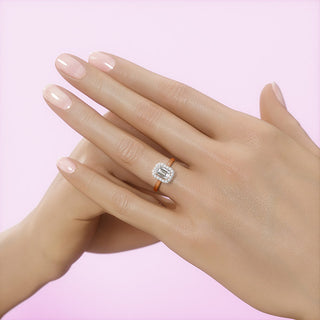
At Harper Tait, we believe good value is about understanding what truly affects how a ring looks, feels and lasts. This is especially important with an engagement ring, where the decision carries emotional weight as well as financial significance. You are not simply buying a specification. You are choosing something that should feel beautiful every time it is worn.
Engagement Rings


What Harper Tait looks at first
When we compare diamonds in a store, we do not begin with carat weight. We begin with appearance.
The first thing we assess is cut quality and light performance. Cut has the strongest influence on how lively a diamond looks. A well-cut stone reflects light with brightness, contrast and sparkle, while a weaker cut can appear flat even if the colour or clarity grades sound impressive.
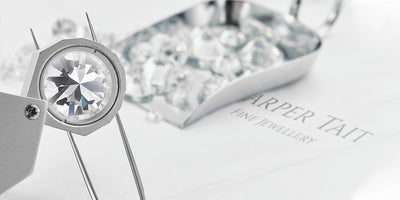
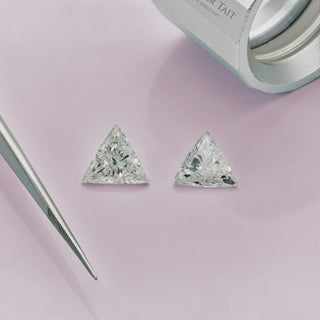
From there, we look at proportions, the overall balance of the stone, the type and visibility of any inclusions, and how the diamond faces up in real lighting. Certification is important, but it is only part of the picture. Our aim is always to compare diamonds as they actually look, not just as lists of grades.
Why cut often gives the best value
If you want the best value for engagement rings, cut is usually the first place to consider.
Small jumps in colour or clarity can raise the price noticeably without creating a dramatic visual difference once the diamond is set. Cut is different. A stronger cut can make a diamond appear brighter, sharper and more alive, which is why it often has a greater effect on perceived beauty than a small upgrade elsewhere.
This is one of the most common trade-offs we discuss at Harper Tait. Rather than paying more for a higher grade that may be difficult to notice, it can be better value to prioritise cut and choose a balanced combination of the other characteristics.
What certification proves and what it does not
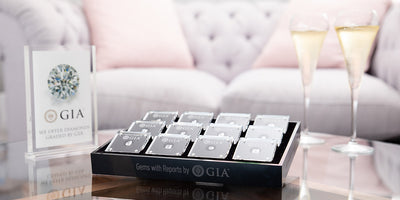
A grading report is essential because it confirms measurable details such as carat, colour, clarity and proportions. It creates a useful foundation for comparison and gives confidence that the diamond has been independently assessed.
What a certificate does not show is how the diamond feels in real life. It cannot fully convey sparkle, visual balance or whether inclusions are actually noticeable to the eye. This is why two diamonds with similar reports can still look very different side by side.
At Harper Tait, we use certification as a starting point, then explain what the report means in practical terms. That allows clients to understand not only what is on the paper, but what it means for the ring they are considering.

Where smart trade-offs can improve value
Good price engagement rings are rarely about cutting corners. They are usually about making informed compromises in the right places.
Colour
In many cases, a slightly lower colour grade still looks bright and beautiful, particularly once the diamond is set. That can offer meaningful savings without reducing visual appeal.
Clarity
A diamond with inclusions that are difficult to see without magnification can still look clean to the eye. Paying significantly more for a higher clarity grade is not always the best use of the budget if the visible difference is minimal.
Carat weight thresholds
Certain carat milestones can increase the price sharply. Choosing a diamond just below one of those thresholds can often deliver a very similar appearance with better overall value.
Fluorescence
Fluorescence is not automatically a negative. In some diamonds, it has very little visible effect, while in others it may influence the appearance more noticeably. It needs to be judged in context rather than dismissed outright.
These are the kinds of decisions that protect beauty while managing cost sensibly.
When a low price can signal a compromise
A lower price is not always a problem, but it should prompt closer comparison.
Sometimes a diamond is priced lower because the cut is weaker, the proportions are less balanced, the fluorescence is stronger than ideal, or the inclusions are more noticeable than the grade alone suggests. In other cases, the ring itself may reflect compromises in craftsmanship or durability.
This does not mean an affordable ring cannot be beautiful. It means the value should be assessed carefully. A low price only becomes good value if the ring still delivers the quality and performance that matter most.
A few simple comparison scenarios
Seeing how trade-offs work in practice can make value easier to understand.
Scenario one
A larger diamond with a weaker cut versus a slightly smaller diamond with a stronger cut. In many cases, the better cut stone will look brighter and more impressive overall.
Scenario two
A higher colour grade with average performance versus a slightly lower colour grade that still faces up bright and has stronger sparkle. The lower colour option may offer better real-life value.
Scenario three
A very high clarity grade versus an eye-clean diamond with a lower clarity grade. If the inclusions are not visible in normal viewing, the eye clean option can be a smarter use of the budget.
Scenario four
Value of lab-grown diamonds vs natural. This depends on your priorities. Lab-grown diamonds can offer more size for the budget, while natural diamonds may appeal for their rarity and long-established market position. The right choice comes down to what matters most to you, rather than a single definition of value.

How to compare diamonds like for like
If you are comparing Hatton Garden diamond rings in person or online, consistency matters.
Look at similar shapes, similar carat weights and comparable grading standards. Pay close attention to cut quality, proportions and how the diamonds actually appear in videos or in person. Ask whether the diamond is eye clean, how it performs in normal lighting and whether the certificate shows anything worth reviewing more closely.
At Harper Tait, this is exactly how we guide comparisons. We slow the process down, show what matters first and help clients understand where the real differences are.
A practical value checklist
If you want a simple way to assess a ring, use this checklist.
Start with cut and light performance
Ask how bright and lively the diamond looks in real conditions.
Check the certificate
Use the report to confirm grades, proportions and key details, but do not rely on it alone.
Ask whether the diamond is eye clean
A practical, visual answer is often more helpful than chasing the highest clarity grade.
Look at colour in context
Consider whether the diamond still appears bright once set.
Review the carat weight carefully
Decide whether you are paying extra for a threshold that changes the price more than the appearance.
Compare the ring as a whole
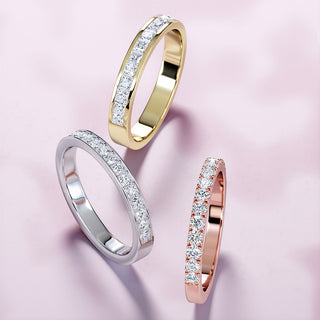
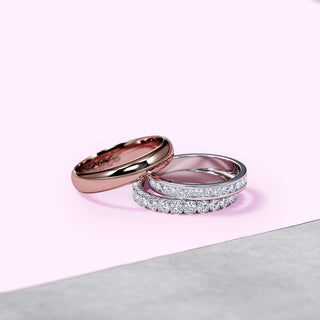
Value is not only in the diamond. Craftsmanship, setting quality and long-term wear all matter too.
Viewing diamonds with Harper Tait in store and online
In-store, we guide you through side by side comparison so you can see what changes are actually visible. We explain the diamond first, then the ring around it, so you can make a balanced decision with confidence.
Our Ready To Ship collection is there for clients who want the confidence of choosing a finished piece online, with clear imagery and thoughtful detail to support that decision. It gives you a closer look at each piece, helping you understand its design, diamond details, and overall feel before you buy. For those who prefer to visit us in person, it can also be a helpful way to explore styles in advance.
Choosing value with confidence
Good value in Hatton Garden diamond rings is not about finding the lowest price. It is about knowing which qualities shape beauty, durability and satisfaction over time.
At Harper Tait, we help clients compare diamonds with clarity, honesty and context, so the final choice feels emotionally right as well as financially sensible.
Get in touch if you would like help comparing options, or get a quote if you are ready to explore a ring with guidance from Harper Tait.