

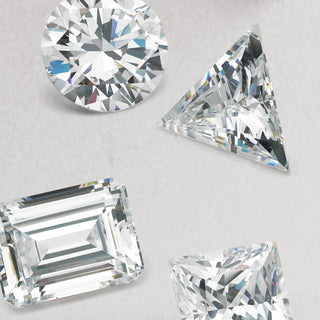


Diamond clarity can sound like a deal breaker when you first start researching diamonds. You zoom in on an image, open a grading report and suddenly begin noticing marks and characteristics you never knew existed.
The reassuring truth is that almost every diamond contains tiny natural characteristics. Most of them are far less noticeable in real life than they appear on a certificate, a clarity plot or a highly magnified image.
That is where many people get stuck. They start focusing on what they can see at 10 times magnification rather than what they will actually notice once the diamond is worn every day.
This guide explains what diamond clarity means, why it often looks different in real life and how to choose a clarity grade with confidence.
Our Pieces


What Is Diamond Clarity?
If you have ever wondered what diamond clarity is, the simplest answer is that it describes the natural characteristics found inside and outside a diamond.
Internal characteristics are known as inclusions in diamonds.
Surface characteristics are known as diamond blemishes.
These characteristics form naturally as a diamond develops and are one of the reasons every stone is unique.
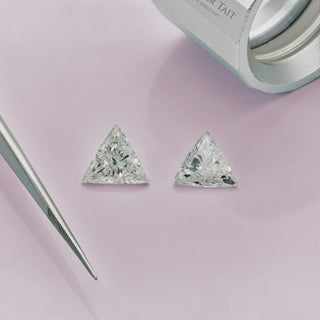
When laboratories assess diamond clarity grades, they typically do so under 10 times magnification. The final grade summarises what was found, but it does not tell the whole story of how the diamond will look in everyday life.
Why Clarity Looks Different In Real Life
One of the biggest reasons clarity causes confusion is that the way a diamond is assessed is very different from the way it is worn.
Magnification Changes Everything
A grading report is designed to show details clearly, which is why clarity is assessed under magnification.
At 10 times magnification, even very small characteristics can appear dramatic. In normal viewing conditions, many of these details are difficult or impossible to see.
Lighting Affects Visibility
Lighting has a significant impact on what you notice.
Inclusions can sometimes appear more obvious under strong spotlighting than they do in softer daylight or everyday indoor lighting.
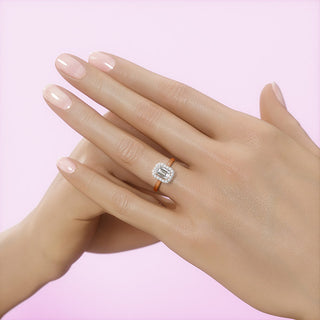
This is one reason why a diamond can look different in a report image compared to how it looks on the hand.
Movement Changes What You Notice
A diamond in an engagement ring is rarely still.
As the stone moves, light reflections and sparkle constantly shift across the surface. These reflections can make tiny inclusions far less noticeable than they appear in a static photograph.
The Setting Can Hide Or Reveal
The ring setting also plays a role.
Prongs can cover characteristics near the edge of the diamond. Halo settings can draw attention towards sparkle. Different setting styles can subtly influence what you notice and what you never think about again.

The Part Most People Miss: Clarity Is Not Just A Grade
One of the most important things to understand is that two diamonds with the same clarity grade can look very different.
The grade tells part of the story, but what really matters is the nature of the inclusions themselves.
Type Of Inclusion
Some inclusions are naturally easier to notice than others.
A small crystal may draw the eye differently from a faint cloud, even if both fall within the same clarity range.
Location
Characteristics beneath the centre of the diamond are often easier to notice than those positioned closer to the edge.
Size And Contrast
Dark, high-contrast inclusions can sometimes be more visible than lighter characteristics, even when both receive a similar grade.
This is why context matters so much when comparing diamonds.
Eye Clean In Plain English
One phrase you will often hear is what does eye clean mean.
In simple terms, an eye-clean diamond looks clean to the naked eye under normal viewing conditions.
For many engagement ring buyers, this is the goal.
An eye-clean diamond can provide an excellent balance between appearance and value because you are focusing on what you can actually see rather than paying for characteristics that remain invisible during everyday wear.
It is worth remembering that eye clean can vary slightly depending on the individual and the distance from which the diamond is viewed. If you are shopping online, it is always worth asking how the assessment has been made.
A Simple Clarity Checklist You Can Use
When comparing diamonds, try to keep the process simple.
• Start by looking at the diamond face up, as this is how it will be seen most often
• Ask what is visible without magnification
• Check where the characteristics are positioned
• Focus on transparency and brightness rather than perfection
• Compare two diamonds side by side wherever possible
This approach usually removes uncertainty far more effectively than studying a complex diamond clarity chart for hours.
Common Inclusions, Explained Without The Jargon
You do not need to become a gemmologist to understand the most common inclusions.
Feathers
Feathers are small internal fractures. In many diamonds, they are completely harmless and difficult to see without magnification.
Crystals
Crystals are tiny minerals trapped within the diamond during formation. Some are easier to notice than others, depending on size and colour.
Clouds
Clouds are groups of very small pinpoints. They often have little impact on appearance, although larger clouds can sometimes affect transparency.
Needles
Needles are long, thin inclusions that can be difficult to detect without magnification.
Pinpoints
Pinpoints are tiny crystals. They are among the most common inclusions and are often invisible during normal wear.
When Clarity Matters More
Most clarity concerns become much easier once you see the diamond in context, but there are situations where clarity deserves more attention.
Larger centre stones can make inclusions easier to notice.
Certain shapes can reveal the centre of the diamond more openly than others.
Characteristics that affect transparency can influence the overall appearance of the stone.
Some buyers are naturally more clarity sensitive and know they will focus on inclusions if they are visible.
None of these situations should create anxiety. They simply help guide where your attention is best placed.

Clarity Versus Cut: What Changes The Look Most?
When people compare diamonds, they often assume clarity will have the biggest impact on appearance.
In reality, cut is usually the stronger visual influence.
Cut affects brightness, sparkle and how effectively the diamond returns light.
Clarity only becomes a significant visual factor if the characteristics are visible or if they affect transparency.
This is why many buyers prioritise a strong cut grade and choose a sensible, eye-clean clarity.
How We Help You Judge Clarity Properly
At Harper Tait, we believe clarity decisions should feel straightforward rather than intimidating.
We explain what you are seeing in plain English and help you focus on what is visible in real life, not simply what appears under magnification.
We compare options side by side, so differences become easier to understand.
Most importantly, we help you choose a diamond that feels right emotionally and visually, not just on paper.
If you would like to explore clarity in more detail, our guide to diamond clarity explains it in more depth.
Frequently Asked Questions
What Is A Good Diamond Clarity For An Engagement Ring?
For many people, a clarity grade that appears eye clean provides an excellent balance between appearance and value.
Can Two Diamonds With The Same Clarity Grade Look Different?
Yes. The type, location and visibility of inclusions can create noticeable differences between diamonds with the same grade.
What Does Eye Clean Mean?
It means the diamond appears clean to the naked eye under normal viewing conditions.
Which Inclusions Should I Avoid?
There is no universal answer. Characteristics that affect transparency or are easily visible may deserve more attention, but context always matters.
Will I See Inclusions Once The Diamond Is Set?
In many cases, inclusions that appear obvious under magnification become very difficult to notice once the diamond is set and worn.
Choosing Clarity With Confidence
Diamond clarity is important, but it is rarely as complicated as it first appears.
Most concerns disappear once you understand how inclusions behave in real life and how much difference magnification can make.
You can explore diamonds online and compare options at your own pace, or Contact us to book a consultation and compare clarity options side by side with expert guidance.